Driveways, patios, slabs and repairs for Chelsea homes and businesses, built for sloped foothill lots and clay soil. We also work in Chelsea Park, Chesser Plantation and Chesser Reserve, Yellowleaf, Foothills of Chelsea, Forest Lakes, Chelsea Station, and Brookchase. We are based in Hoover, a short drive from Chelsea.

Chelsea is the young, family-first city of Shelby County. It was not a city at all for most of its life. It was a small farming community called Melrose, tucked under Double Oak Mountain. When the railroad came through in 1908, the stop was renamed Chelsea. The old name still lives on in Melrose Park, next to the Chelsea Community Center. Chelsea became a city on March 1, 1996, with just over 900 people. Today around 16,000 people live here, and it is one of the fastest-growing cities in Alabama. The city runs along US-280, with new subdivisions opening all the time and older ones, from the late 1990s and early 2000s, now old enough to need repairs. The ground here is the hard part. Chelsea sits in the foothills of Double Oak Mountain. Lots here are often sloped and wooded. Water runs downhill fast, and it can wash out the ground under a slab. The soil is clay-heavy, like the rest of the Birmingham area. Clay swells when it gets wet. It shrinks when it dries out. That movement cracks driveways, sinks patios, and shifts slabs. We build for that ground. We check the slope and the drainage first. We build a strong base. We add steel reinforcement. We plan for water. Then we pour.
You get the price in writing first. We list materials, labor and prep before work starts, with no surprise fees.
You get an honest answer. Some concrete can be repaired and some should be replaced. We will tell you which makes sense.
Call us and talk directly with the person who will look at your job.
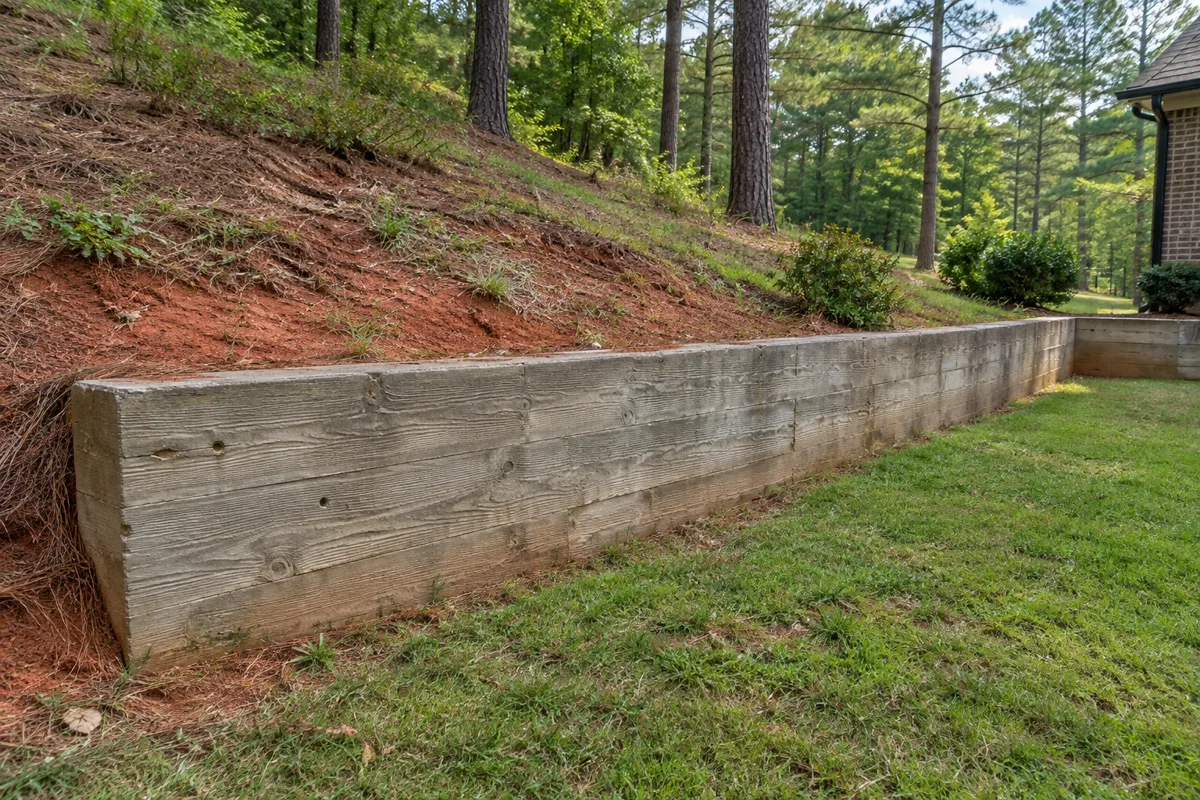
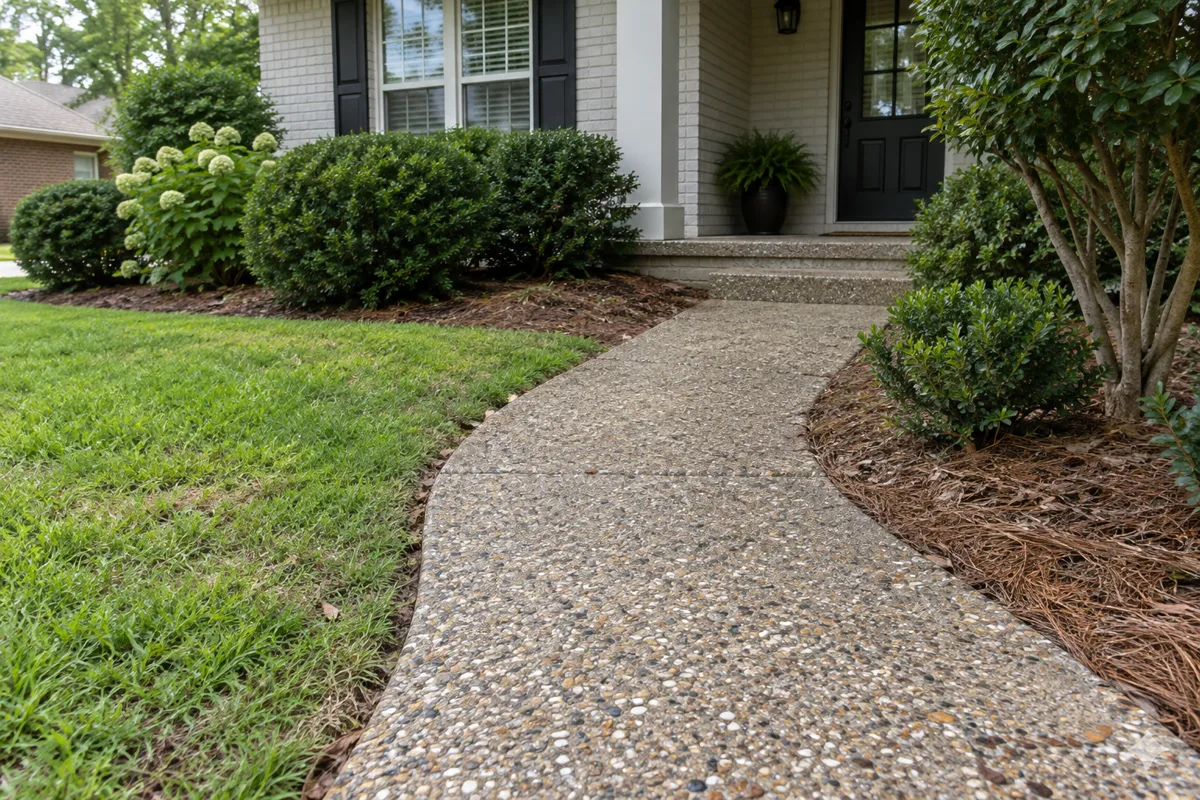
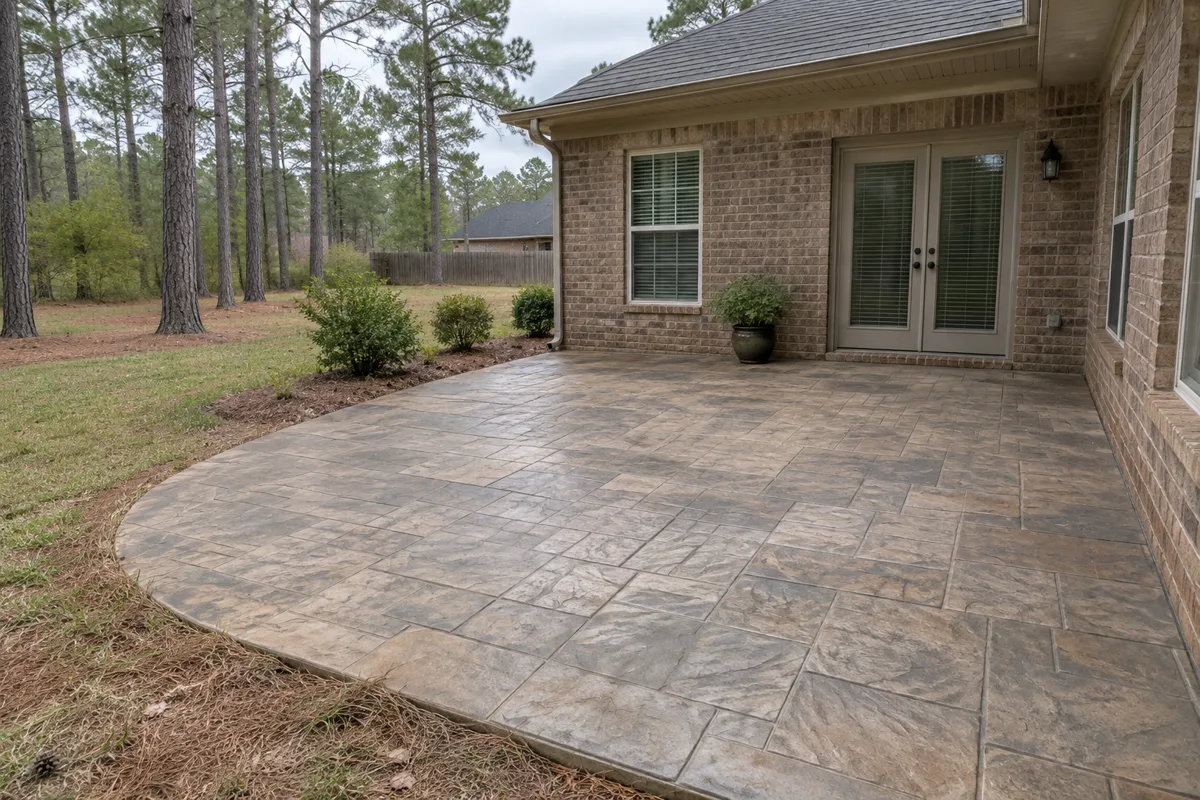
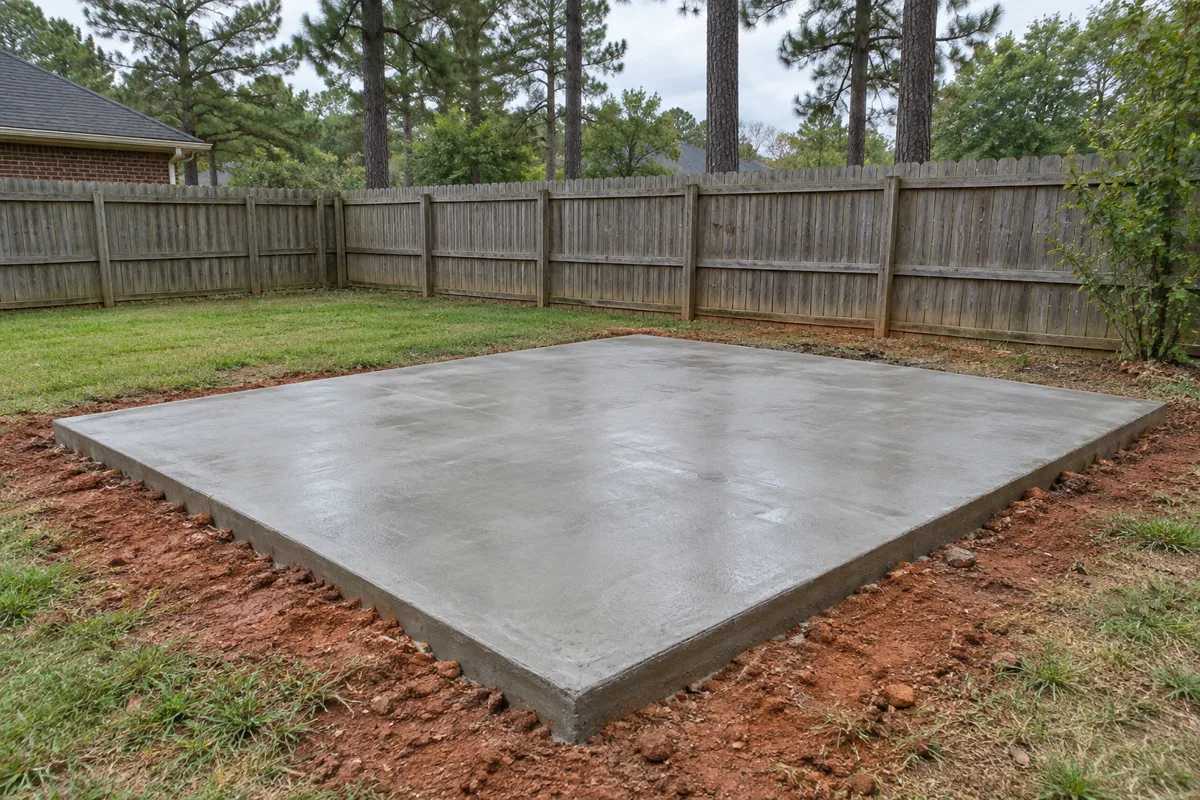
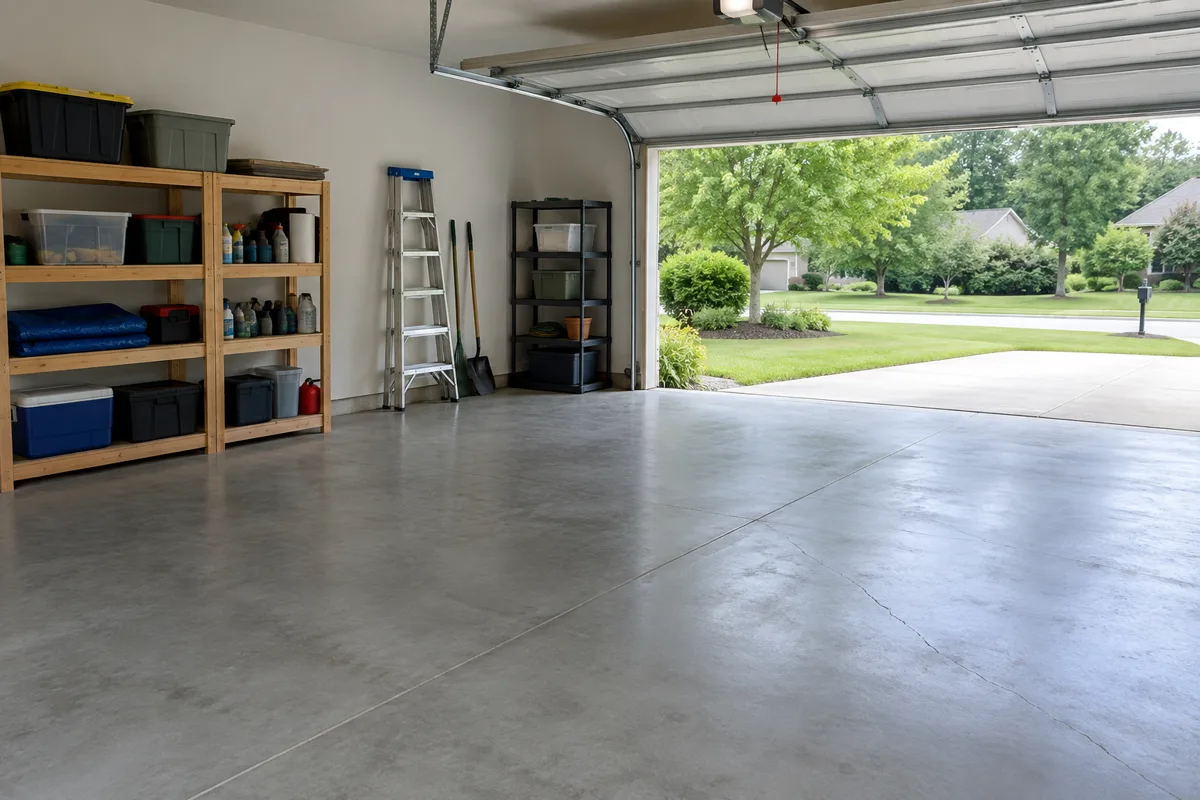
Here are the jobs Chelsea homeowners ask about most. Images are examples of the type of work.

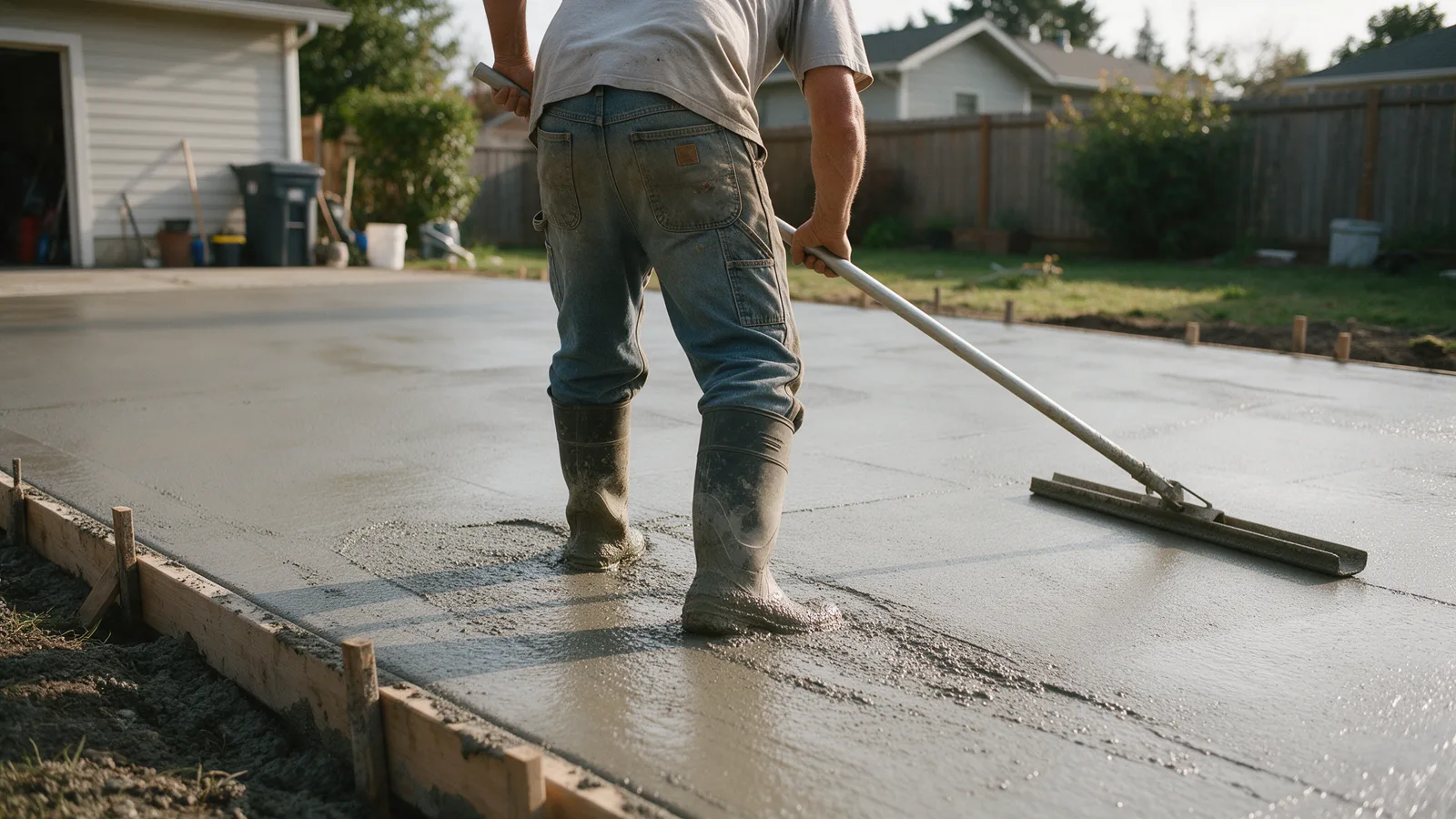
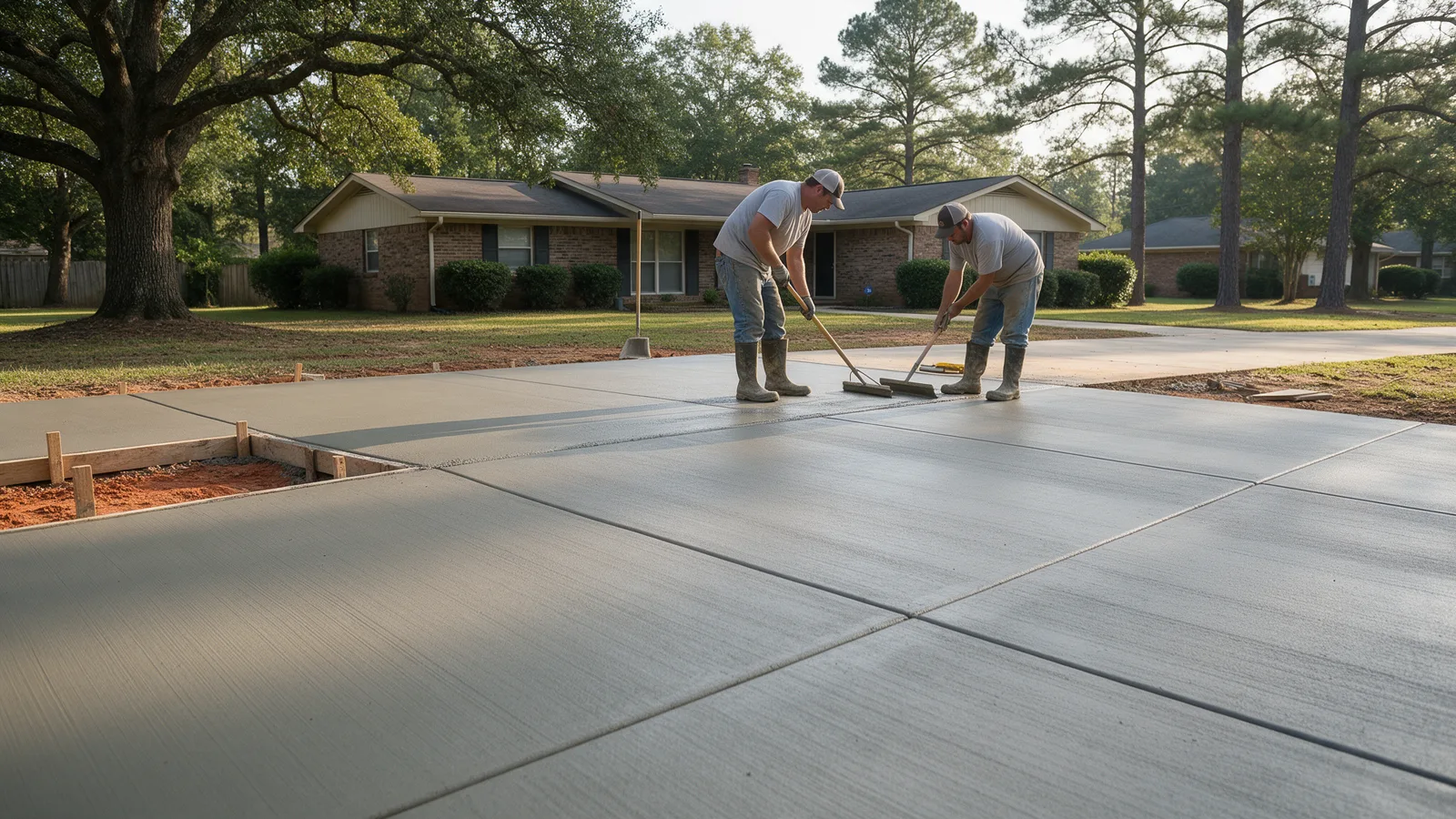
Old, cracked driveways removed and replaced on a compacted base, with control joints and a broom finish for grip.

Simple concrete patios sized to your yard and graded so water drains away from your home.

When only part of the slab has failed, we can replace that section instead of the whole driveway.
Built on a compacted base to handle Alabama weather and daily use.
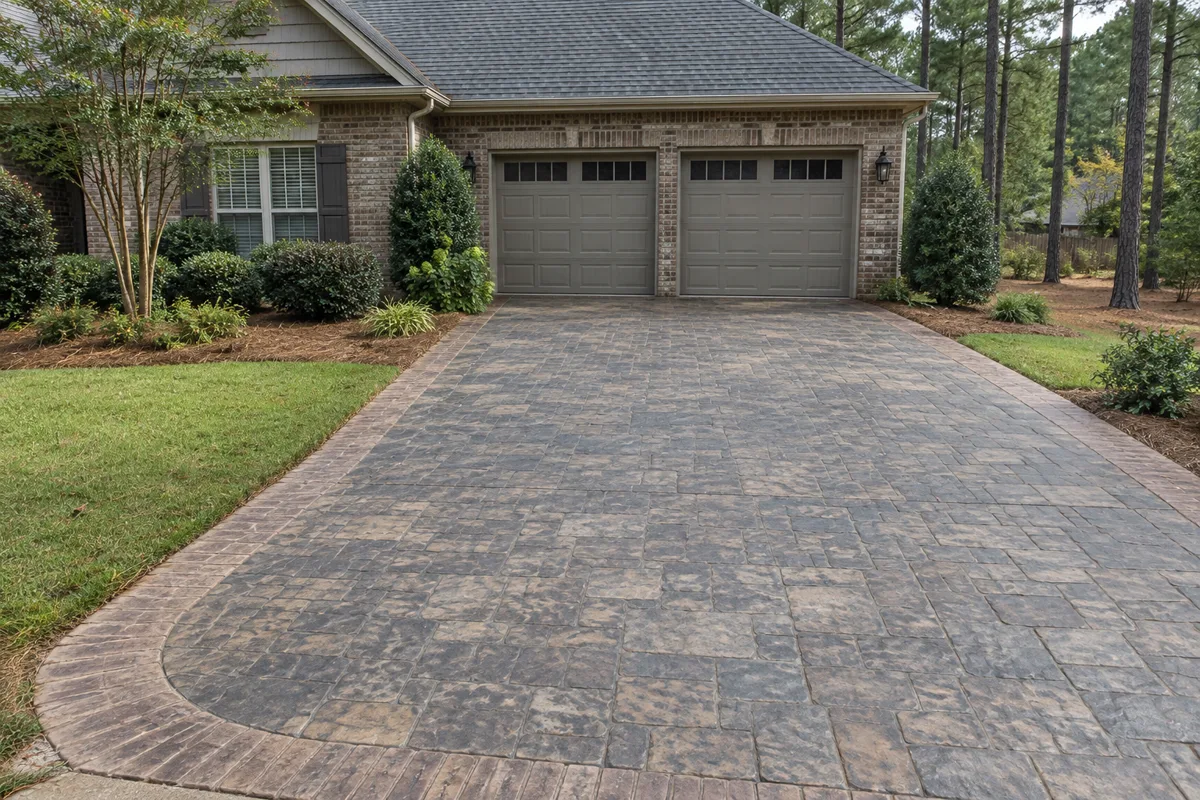
Patterns that mimic brick, stone or tile for patios, walkways and driveways.
Fixes for cracked or uneven surfaces when replacement is not needed.
Crack repair and stabilization, after we find out what is causing the movement.
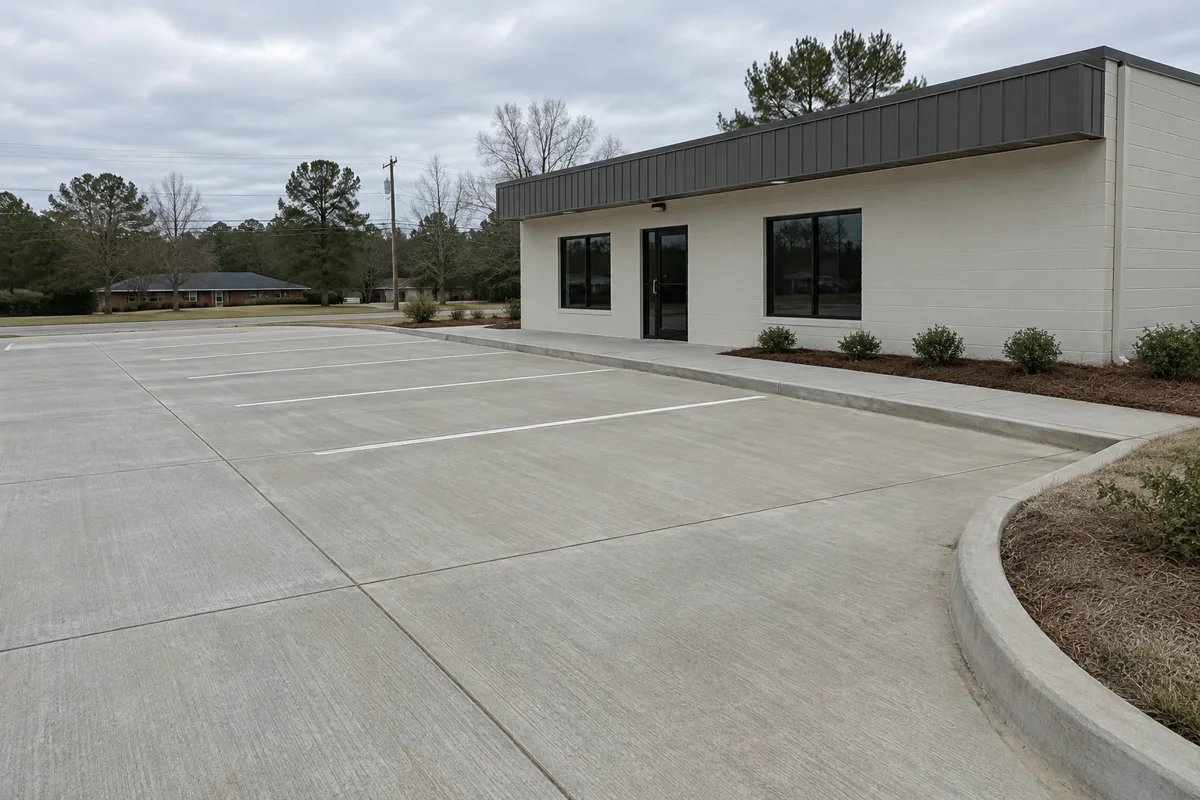
Parking lots, sidewalks and floors for Chelsea businesses.
Colors, textures and finishes that give plain concrete a custom look.
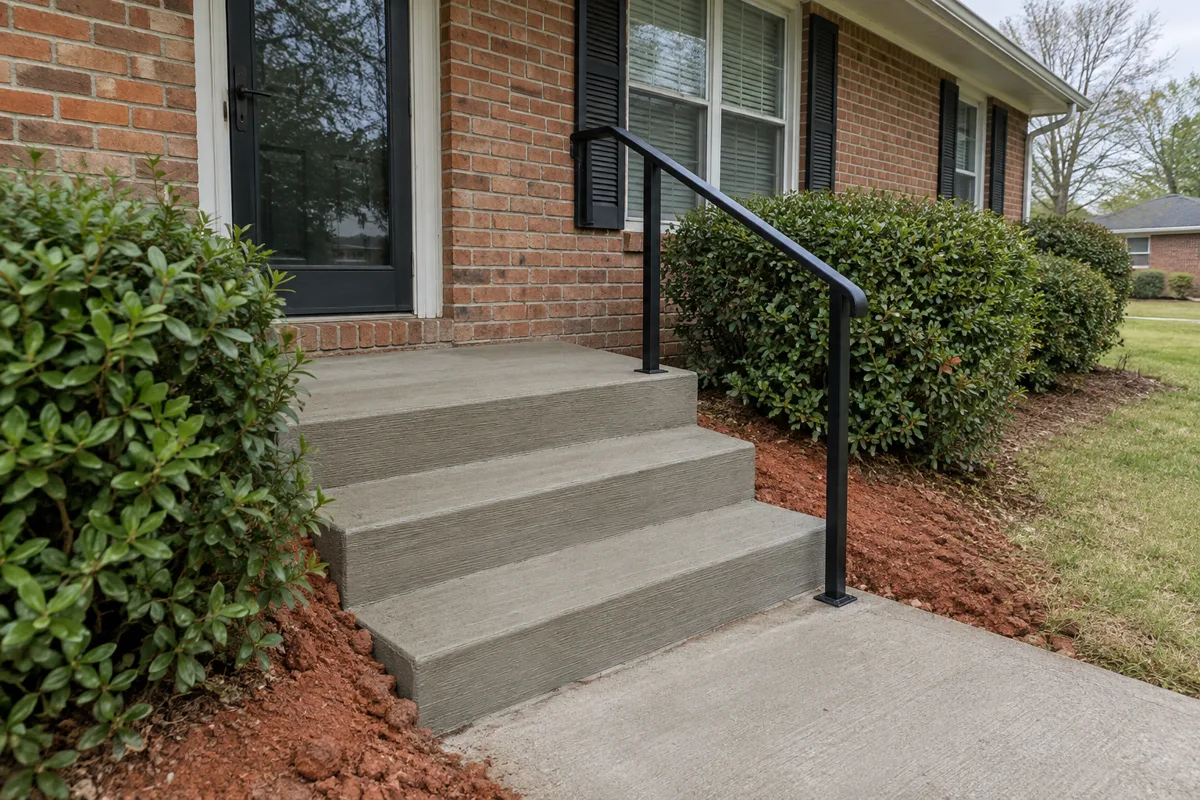
Solid front and backyard steps with even, comfortable rises.
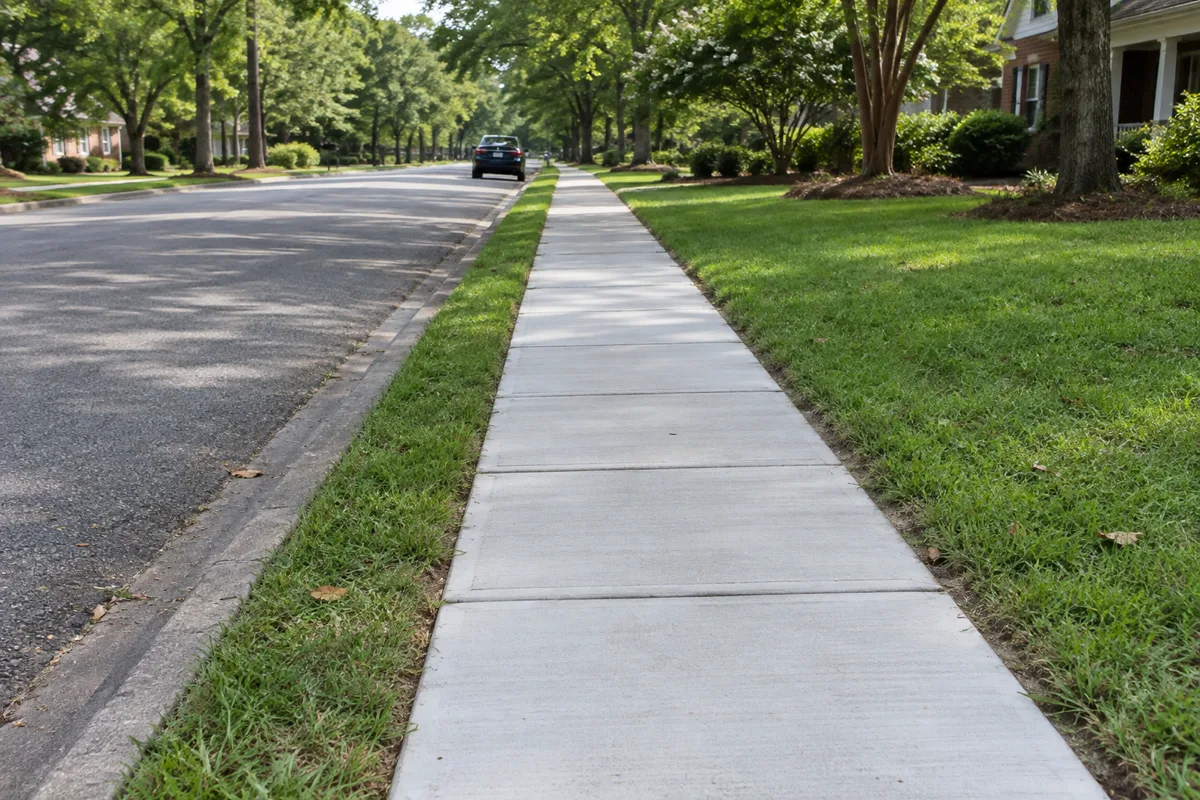
Walkways for homes and businesses, graded so water runs off.
Clean cuts for openings, repairs and sections of old concrete.
Strong pavers that lock together for patios and driveways, laid on a firm base.
A good pour starts before any concrete arrives. Here is what we look at on every visit.
We look at the soil. We look at where water goes after rain. On a sloped lot, water runs fast. We plan where it should go, so it does not wash out the ground under the slab.
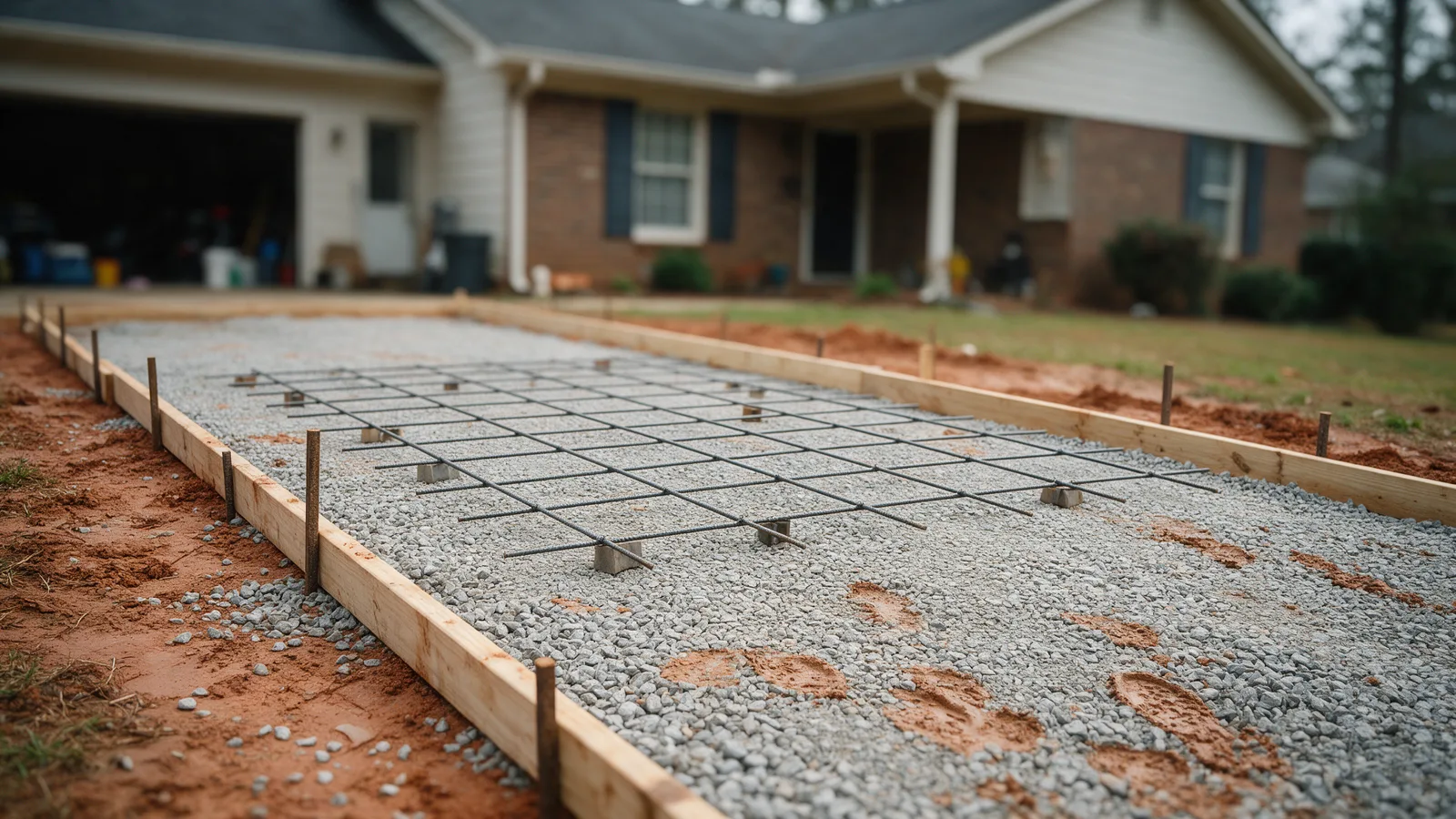
We compact the ground layer so it does not sink later. A weak base is a common cause of cracks.
Steel bars or mesh help the slab hold together when the ground moves.
These straight cuts give concrete a planned place to crack as it shrinks and moves.
Most patios, sidewalks and slabs are 4 inches thick. Trucks and large equipment need more.
Usually walk on it in 1 to 2 days and drive on it after about 7. Full strength takes about 28 days.
Slope and grade — Grade is how steep the ground is. A steep driveway needs a different plan than a flat one. We check the slope before we form the slab.
Typical planning ranges, not a quote.
Job
Per sq ft, installed
Plain driveway or patio, 4-inch slab
$6 to $12
Thicker reinforced slab, 5 to 6 inches
$8 to $16
Stamped or exposed aggregate
$10 to $24
What changes your price
The size of the area, ground prep, removal of old concrete, your finish, and any drainage work. Small jobs often cost more per square foot.
Sloped or wooded lots can also cost more, because grading and drainage take extra work. In Chelsea, a lot of jobs are on newer homes and fresh lots, where grading matters most, while the older subdivisions from the late 1990s and early 2000s are now old enough that a full removal is sometimes needed first.
How long it takes
Most small jobs take a few days once work begins. Larger jobs take longer. You get the timeline before we pour.
Call or send a message. We check the soil and slope, check drainage, and measure the area.
A clear price in writing, with no pressure to sign on the spot.
We prep, pour and finish, then allow for proper cure time.
We walk the job with you, clean up and explain how to care for it.
We also show you the simple care: sweep it clean, seal it every 2 to 3 years, fix small cracks early, and do not park heavy loads on it before the cure time is over.
It depends on the job. The City of Chelsea Building Department, at City Hall on Chelsea Road, handles building permits, and permits go on the city’s own form. Driveways and patios are not named either way in the rules we found, so we check with the Building Department about your address before we set a date. When a permit is needed, we help with the paperwork.
25 to 30 years, when it is built right. The keys are a compacted base, proper thickness, reinforcement, and drainage for our sloped lots and clay soil.
The main cause is movement in the ground. Clay soil swells when wet and shrinks when dry. On a sloped foothill lot, water runs fast and can wash out the base under a slab. Heavy rain, tree roots, and a weak base can also cause cracks. Control joints, reinforcement, and a compacted base help reduce this risk.
Yes, in most cases. A sloped lot needs a careful plan for grade and drainage, and sometimes extra grading work before the pour. We check the slope on the visit and tell you what is needed before we pour.
Yes, with the right mix and protection. We watch the forecast and use cold-weather methods when temperatures drop near freezing.
It depends on the damage. Small cracks and worn surfaces can often be repaired. A slab that has sunk a lot, or has large structural cracks, may need replacement. In Chelsea, many homes are new, but the older subdivisions from the late 1990s and early 2000s are now old enough that a slab can be worn out. We look at the slab first and give you an honest answer.
Yes. Every job starts with a free on-site visit and a written estimate. Call 205-584-0968.
Cracked driveway in Chelsea Park? Sinking patio in Yellowleaf? Tell us what you see. We will tell you what it needs and what it costs.